Les personnes non initiées ou tout juste débutantes ont souvent cette crainte : Devenir parano avec la pratique du Krav Maga. Qu’en est-il vraiment ?
Voyons d’abord les conseils dispensés dans nos cours concernant l’observation.
Sommaire
ToggleS’approprier son Environnement : les 5 sens
Selon la biologie, nous avons 5 sens. En réalité nous en avons 6 : les classiques Vue, Odorat, Ouïe, Toucher et Goût, et le sens plus abstrait de l’Intuition.
Le goût mis à part, tous les autres sens nous permettent de nous approprier notre environnement :





- La Vue : Très importante, c’est le sens que l’on utilise le plus facilement… Si on ne fait pas l’erreur de la focaliser sur son téléphone !
« L’usage du téléphone au volant multiplie par trois le risque d’accident. Plus grave, lire un message en conduisant multiplie le risque par 23 : il oblige le conducteur à détourner les yeux de la route pendant au moins 5 secondes. »
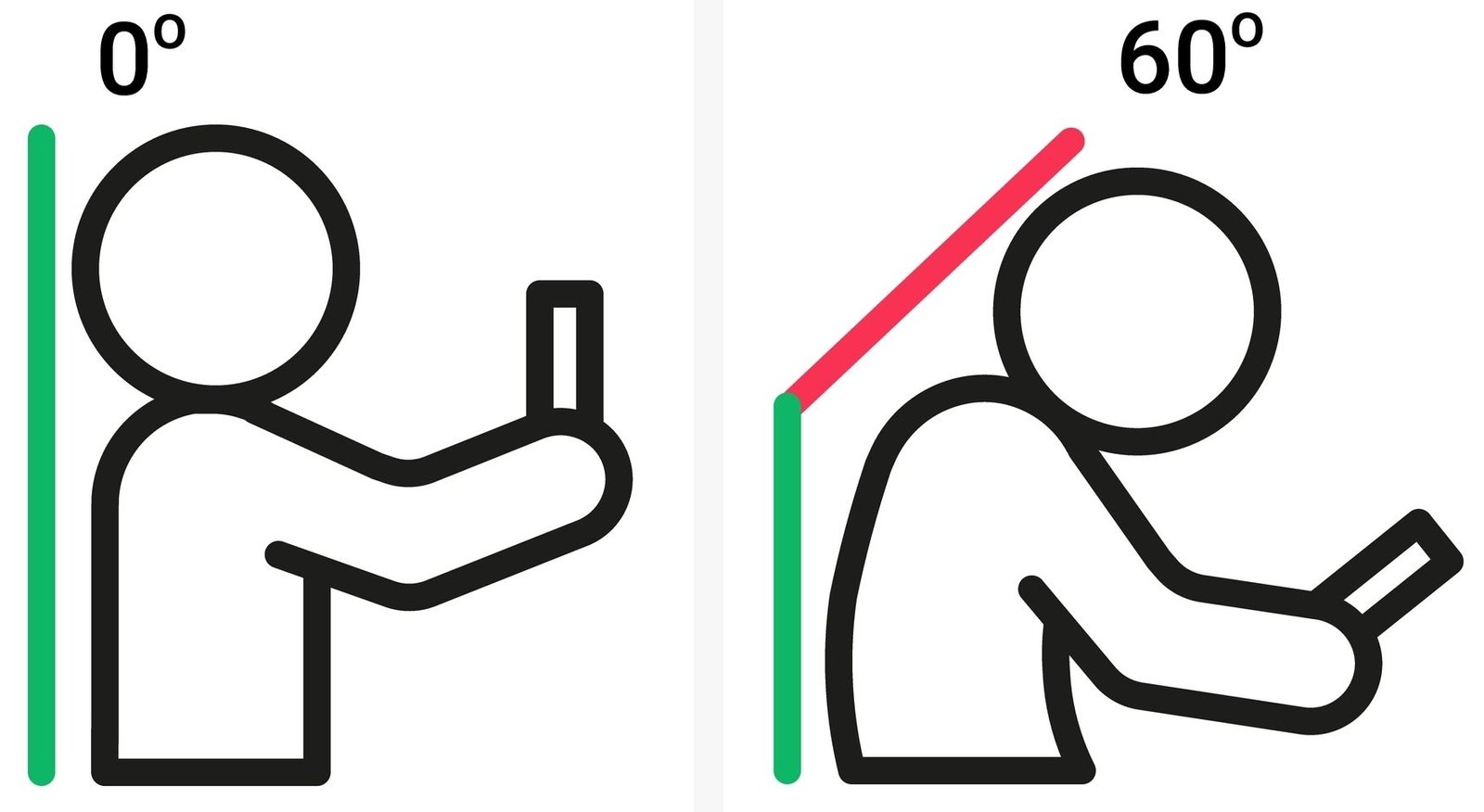
Dans la rue le problème est similaire : nous avons généralement la tête baissée lorsque nous regardons nos téléphones. En plus des risques liés à une mauvaise posture, vous ne pouvez voir que le sol. Si vous devez vraiment utiliser votre téléphone dehors, veillez d’abord à vous mettre contre un mur puis élever le téléphone au niveau de vos yeux. Votre regard périphérique captera les mouvements alentours : si une personne vient dans votre direction vous la verrez suffisamment tôt pour, au besoin, ranger votre téléphone et partir.
Nous verrons d’autres utilités de l’observation dans la suite de l’article.
- L’Odorat : Notre nez aussi est là pour nous aider : il nous permet par exemple de repérer les odeurs de fumées [si vous souhaitez apprendre à utiliser un extincteur en cas de départ de feu : consulter notre article ici], les odeurs de cannabis et autres odeurs dérangeantes qui doivent éveiller notre attention.
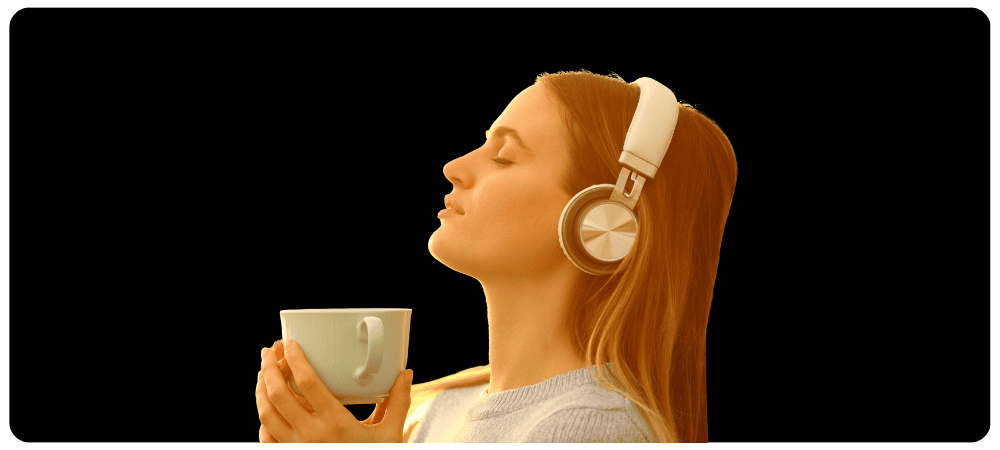
- L’Ouïe : Nous aimons tous écouter de la musique [C’est d’ailleurs un des conseils que l’on donne pour améliorer sa confiance en soi ici] mais si vous souhaitez en écouter dehors mieux vaut n’utiliser qu’un seul écouteur pour rester conscient de son environnement. Vous pourrez ainsi aisément entendre les bruits qui sortent de l’ordinaire, comme quelqu’un qui crie, que ce soit de terreur ou de furie.
- Le Toucher : Il s’agit là d’un sens utilisé en dernier recours : l’entraînement régulier au Krav Maga vous permettra de développer des gestes réflexes en cas d’agression et donc de contact violent [consulter l’article dédié aux réflexes et à la mémoire musculaire ici].
- Enfin l’Intuition : elle nous sert tous les jours, lorsque l’on accepte de se faire confiance. Peu importe l’aspect physique d’une personne, si votre ressenti est négatif faites-vous toujours confiance. Par exemple, beaucoup de personnes qui se font suivre le ressentent plus ou moins consciemment. Quel que soit le domaine ou la personne, faites toujours confiance à votre intuition !
Les Observations à Mettre en Place au Quotidien
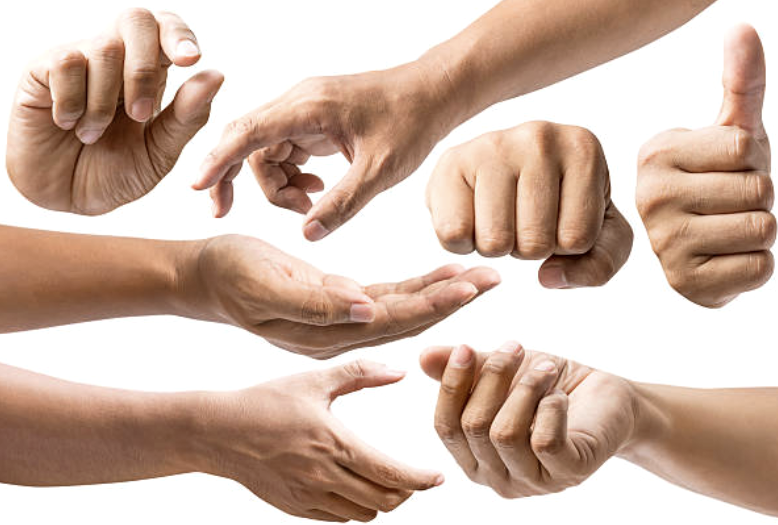
Lors des cours de Krav Maga nous vous parlons souvent des cercles de sécurité. Considérez un cercle dont vous êtes le centre et ayant pour rayon la longueur de votre jambe. Amusez-vous à observer les mains des personnes qui rentrent dans ce cercle. La plupart des agressions commencent via les mains (coup de poing, gifle, sortie d’un couteau etc). Observer les mains nous permet soit de nous éloigner d’une potentielle menace, soit de réagir sans surprise au déclenchement d’un mouvement violent. Notre temps de réaction étant plus court, la réponse sera plus efficace.
En plus de cela, vous en apprendrez beaucoup sur votre entourage (vous pourrez repérer le stress d’une personne qui se ronge les ongles ou autre…).
Il est également important d’observer son environnement dans certaines situations :
- Lorsque l’on va rentrer chez soi, avant de faire son code, nous allons vérifier que personne ne cherche à s’engouffrer dans le hall avec nous.
- Lorsque l’on retire de l’argent à un distributeur, nous allons vérifier que personne n’est à proximité immédiate (sur le trottoir ou dans une voiture garée relativement proche).
- Avant de rentrer ou de sortir de sa voiture, il est nécessaire de scanner son environnement.
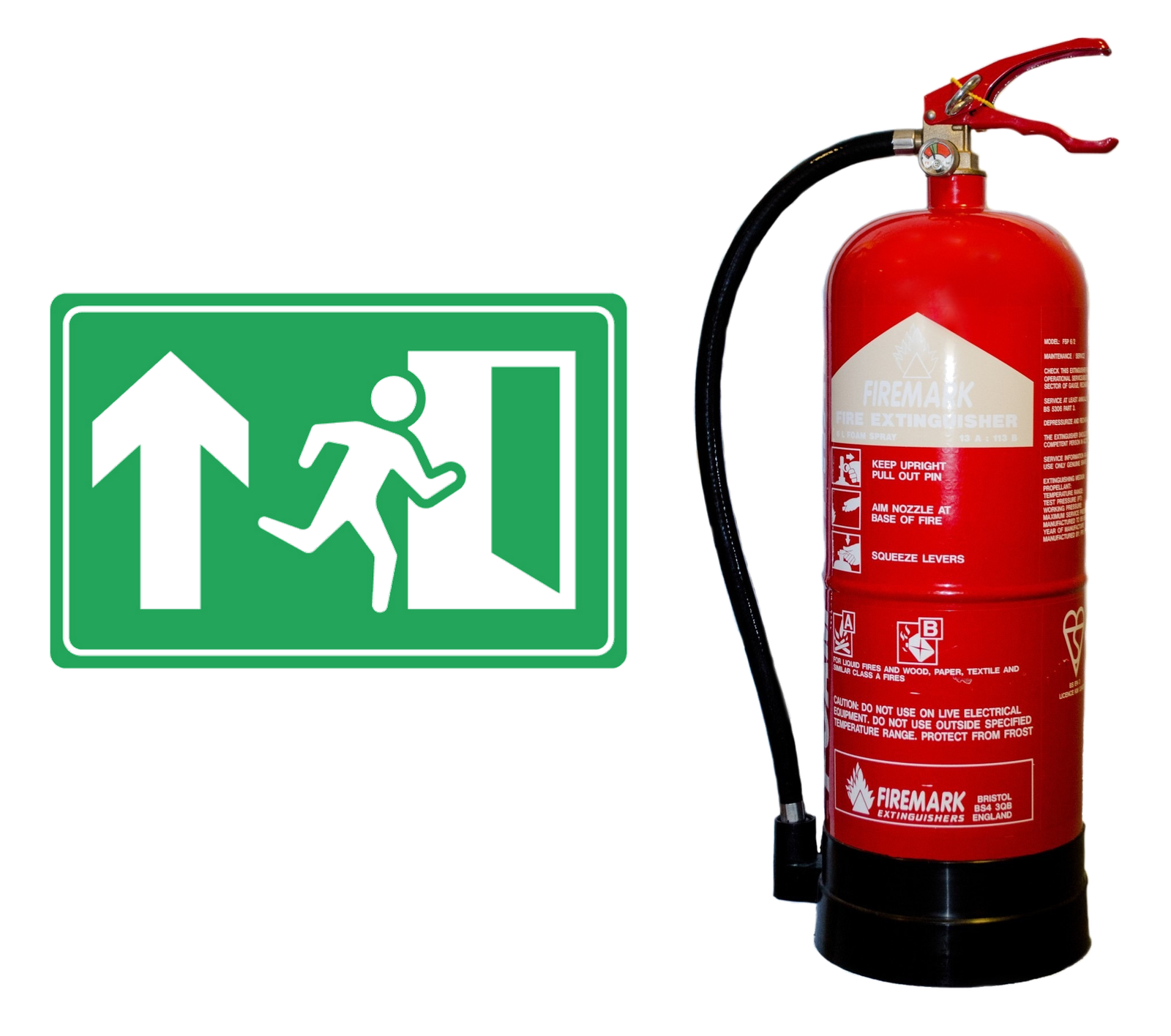
Enfin, il est important de repérer les sorties de secours et les extincteurs, que ce soit sur votre lieu de travail, ou dans les restaurants, bars, salles de concert et autres lieux que vous fréquentez.
Comment se Fait-il que ces Observations ne Nous Rendent pas Justement Parano ?
Rappelez-vous de votre enfance, lorsque vous avez appris à regarder de chaque côté de la rue avant de la traverser :
On regarde à gauche, puis à droite, puis encore à gauche, puis encore à droite, et on ne traverse que lorsque le piéton est vert.
Aujourd’hui, vous traversez probablement la rue en plein milieu lorsqu’il n’y a pas de voiture, et vous le faites de manière totalement automatique. Consciemment vous pensez plutôt à votre liste de courses, à la famille ou au travail… Mais s’il y a une voiture vous ne traverserez pas. Sans être stressé ou apeuré par la présence d’un véhicule. Vous aurez donc la réaction appropriée, et ce sans réfléchir.
Le Travail de l’Observation fonctionne exactement de la même manière. Il faut être « aware ». Si la référence à Jean-Claude Vandamme peut nous faire sourire, être attentif sans être constamment en alerte nous permet de ne pas être surpris ou stressé en cas de danger.
Parce que l’on sera habitué à visualiser les comportements « habituels » au quotidien, nous serons capables de repérer beaucoup plus vite les comportements « inhabituels » et les potentielles menaces.
Nous aurons alors la possibilité de les éviter facilement en s’en éloignant, ou de les gérer en utilisant le Krav Maga.
L’observation nous donne donc la capacité d’anticiper afin de pouvoir mieux Éviter ou Réagir.
De la Paranoïa à la Sérénité
La paranoïa est créée pas la peur de subir une agression ou de souffrir. Cela génère une méfiance et une suspicion excessive au quotidien, souvent irrationnelle.
Grâce à l’observation et à l’entraînement régulier au Krav Maga, vous saurez que vous êtes capable de réagir judicieusement et efficacement face à une situation dangereuse.
Plus de sérénité au quotidien, c’est un des avantages de la pratique régulière du Krav Maga !