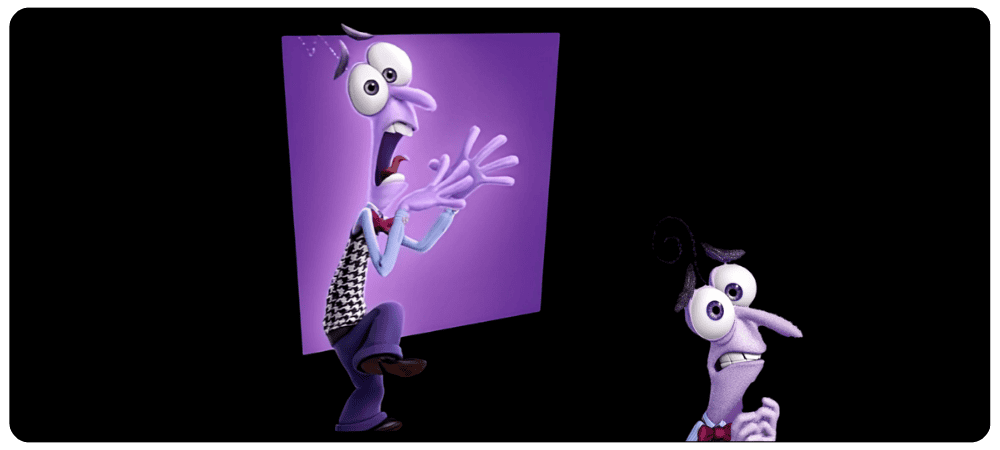
LA PEUR. Cette sensation qui saisit, qui tétanise, qui fait battre le cœur plus vite et noue l’estomac. Souvent perçue comme une faiblesse, elle est en réalité une alliée puissante, un mécanisme profondément ancré en nous depuis les temps où nos ancêtres devaient fuir des prédateurs pour survivre. Pourtant, mal comprise ou mal gérée, la peur peut aussi nous emprisonner et nous empêcher d’avancer.
Lorsque vous embrassez totalement vos émotions et qu’elles ne sont plus des inconnues mais vos alliées, elles deviennent votre force !
Sommaire
ToggleComprendre la Peur : Une Émotion Primordiale
La peur est l’une des sept émotions universelles identifiées par le psychologue Paul Ekman, ressentie par chaque être humain, indépendamment de la culture ou du contexte. Elle se manifeste face à une menace de danger, qu’elle soit physique, émotionnelle ou psychologique, réelle ou imaginaire.
Son but ? Nous protéger.
C’est un mécanisme de survie : Lorsqu’un danger se présente, notre cerveau déclenche une série de réactions totalement instinctives pour éviter ou réduire le risque.
Ces réactions sont programmées en nous depuis des millénaires. Elles sont inconscientes, automatiques et vitales.


Les Réactions Physiologiques de la Peur
Lorsqu’une menace est perçue, c’est l’amygdale (une région du cerveau en forme d’amande), qui prend le contrôle. Elle envoie un signal d’alerte activant le système nerveux autonome sympathique, déclenchant la sécrétion d’adrénaline (cela explique que certaines personnes recherchent la peur [films d’horreur, sports extrêmes] pour ressentir cette fameuse « montée d’adrénaline »).
Une série de réactions en découle :
- Accélération du rythme cardiaque et respiratoire : pour préparer le corps à l’action.
- Transpiration : pour éviter la surchauffe en cas d’effort intense.
- Voix plus aiguë : une conséquence du stress qui contracte les muscles du larynx.
- Afflux sanguin vers les jambes et les bras : pour permettre la fuite ou le combat.
- Frissons ou sensation de froid : conséquence de la redistribution du sang vers les muscles pour favoriser la fuite ou le combat.
Lorsque nous sommes confrontés à une menace, notre cerveau enregistre et stocke les informations liées à cette expérience dans l’hippocampe, une région du cerveau impliquée dans la mémoire et l’apprentissage.
Si nous faisons face à une situation similaire plus tard, l’hippocampe réactive ces souvenirs, nous permettant ainsi d’identifier rapidement le danger et d’y réagir plus efficacement.
Elles nous permettent d’adopter trois réponses principales face à un danger :
- Fuir : notre instinct premier face à une menace
- Combattre : si la fuite est impossible, il faut se défendre
- Se figer : un réflexe parfois contre-productif mais ancré dans nos instincts les plus primitifs
Dans certains cas, la peur peut nous paralyser, empêchant toute réaction appropriée. C’est ici qu’intervient l’apprentissage, notamment grâce au Krav Maga.
Le Krav Maga Travaille sur Toutes les Formes de Peur
Tout comme la colère, la peur n’est pas une émotion négative. Elle est une énergie qui peut être transformée.
Le passage de la peur à la colère est facilité par la similitude des réactions du corps (poussée d’adrénaline, afflux sanguin vers les bras et les jambes) comme nous l’avons vu dans notre article :
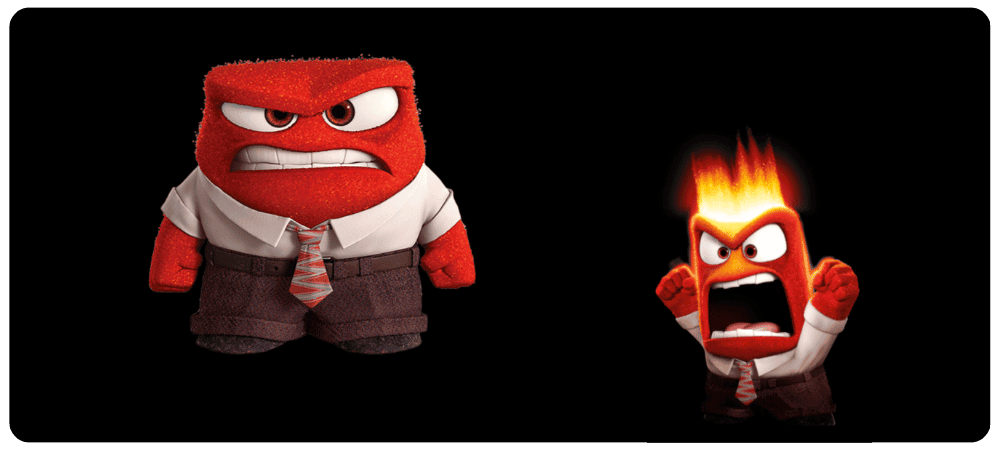
Par exemple : Lorsqu’une personne grille un feu rouge et nous met en danger, notre première réaction est la peur. Mais une fois le danger écarté, cette peur se transforme souvent en colère, une émotion qui nous pousse à réagir, à nous affirmer.
En situation de défense, ce phénomène peut nous sauver !
Le Krav Maga nous apprend à rediriger cette peur vers une action constructive et efficace : Plutôt que de subir et de se figer, on apprend à réagir rapidement et efficacement même sous la pression.
Pendant les cours nous travaillons entre autres sur la peur d’une agression, ou la peur d’être à nouveau agressé après une expérience traumatisante.
Si l’idée d’une nouvelle agression génère une peur persistante, la régularité de l’entraînement nous offre une certitude :
Si cela se reproduit, l’issue sera différente.
Nous ne serons plus la même personne, nous aurons des réflexes, une préparation, une solution.
Au-delà de la peur d’une agression physique, nous sommes parfois aussi freinés par d’autres peurs tout aussi limitantes dans notre quotidien. Elles peuvent nous empêcher de prendre des décisions, de tenter de nouvelles expériences, ou de vivre librement.
Pendant les cours de Krav Maga, nous travaillons également sur :
- La peur de l’échec
- La peur de se tromper ou de mal faire
- La peur du regard des autres, du jugement
À travers l’entraînement, nous apprenons à dépasser ces blocages et à remplacer l’inhibition par l’action.
Chaque séance renforce la confiance en soi et nous libère progressivement de ces peurs qui nous bridaient.
Conclusion : Faire de la Peur un Atout
La peur est une alliée tant qu’elle est comprise et maîtrisée. Elle nous protège, nous prépare et nous aide à survivre.
Grâce à l’entraînement régulier, nous pouvons apprivoiser cette énergie pour qu’elle ne soit plus un obstacle mais une force intérieure. Le Krav Maga nous enseigne non seulement à réagir face au danger, mais aussi à gagner en confiance et à ne plus subir la peur du quotidien.